

















So you fancy yourself an art expert? Or do you want to impress that certain somebody with your extensive art knowledge at the museum, art gallery, etc? Then try your hand at this simple quiz. We have included brief explanations of the major art movements from the last few centuries or so. Below these explanations are examples of each of these artistic movements. Just match the painting with the style! You can highlight the hidden text for each of the answers.
Can You Guess Which Artistic Movement These Paintings Are From?
Pop Art:
Pop art was a visual artistic movement that emerged towards the end of the 1950's in England and the United States. Artistic techniques and themes are drawn from mass culture, such as advertising and comic books. Pop Art employs images of popular culture in art, hence the name.
Surrealism:
Surrealism "emphasizes the imaginative faculties of the unconscious mind". It attempts to "liberate" the mind from every day reality, to simulate a "dream-like" state that is truer than our own reality.
Expressionism:
Expressionism is the tendency of an artist to distort reality for an emotional effect. Expressionism is exhibited in many art forms, including painting, literature, film, architecture and music. Additionally, the term often implies emotional angst. Expressionism is usually applied to works done in the twentieth century.
Abstract Expressionism:
Abstract expressionism was an American post-World War II art movement. The movement gets its name because it is seen as combining the emotional intensity and self-expression of the German Expressionists with the anti-figurative aesthetic of the European abstract schools such as Futurism, the Bauhaus and Synthetic Cubism. Additionally, it has an image of being rebellious and anarchic.
Cubism:
In "cubist" artworks, objects are broken up, analyzed, and re-assembled in an abstracted form. Often there is no coherent sense of depth in these works, as the surfaces often intersect at seemingly random angles. A "cubist" work usually has the background and object planes "interpenetrate" one another, creating the ambiguous shallow space that is characteristic of cubism.
Art Deco:
Art Deco was a twentieth century movement in the decorative arts that grew to influence architecture, design, fashion and the visual arts. This movement was influenced by many sources, such as the "primitive" arts of Africa, The Middle East, and/or Aztec Mexico, combined with the "machine age" technology like the radio and skyscaper.
Op Art:
Op art, also known as optical art, is used to describe some paintings and other works of art which use optical illusions. Reaching the main stream in the early sixties, Op art works are very abstract, and many of the more famous pieces are only in black and white.
Impressionism:
Characteristics of Impressionist works include visible brushstrokes, light colors, open composition, emphasis on light in its changing qualities (often accentuating the effects of the passage of time), ordinary subject matter, and unusual visual angles.
Pop art was a visual artistic movement that emerged towards the end of the 1950's in England and the United States. Artistic techniques and themes are drawn from mass culture, such as advertising and comic books. Pop Art employs images of popular culture in art, hence the name.
Surrealism:
Surrealism "emphasizes the imaginative faculties of the unconscious mind". It attempts to "liberate" the mind from every day reality, to simulate a "dream-like" state that is truer than our own reality.
Expressionism:
Expressionism is the tendency of an artist to distort reality for an emotional effect. Expressionism is exhibited in many art forms, including painting, literature, film, architecture and music. Additionally, the term often implies emotional angst. Expressionism is usually applied to works done in the twentieth century.
Abstract Expressionism:
Abstract expressionism was an American post-World War II art movement. The movement gets its name because it is seen as combining the emotional intensity and self-expression of the German Expressionists with the anti-figurative aesthetic of the European abstract schools such as Futurism, the Bauhaus and Synthetic Cubism. Additionally, it has an image of being rebellious and anarchic.
Cubism:
In "cubist" artworks, objects are broken up, analyzed, and re-assembled in an abstracted form. Often there is no coherent sense of depth in these works, as the surfaces often intersect at seemingly random angles. A "cubist" work usually has the background and object planes "interpenetrate" one another, creating the ambiguous shallow space that is characteristic of cubism.
Art Deco:
Art Deco was a twentieth century movement in the decorative arts that grew to influence architecture, design, fashion and the visual arts. This movement was influenced by many sources, such as the "primitive" arts of Africa, The Middle East, and/or Aztec Mexico, combined with the "machine age" technology like the radio and skyscaper.
Op Art:
Op art, also known as optical art, is used to describe some paintings and other works of art which use optical illusions. Reaching the main stream in the early sixties, Op art works are very abstract, and many of the more famous pieces are only in black and white.
Impressionism:
Characteristics of Impressionist works include visible brushstrokes, light colors, open composition, emphasis on light in its changing qualities (often accentuating the effects of the passage of time), ordinary subject matter, and unusual visual angles.
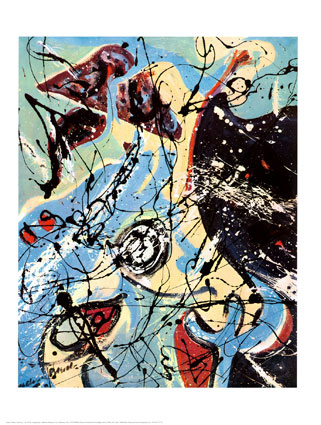
"Composition
by: Jackson Pollock
abstract expressionism"
by: Jackson Pollock
abstract expressionism"
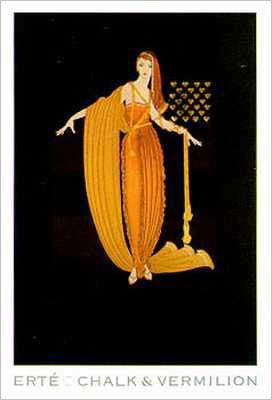
"Fringe Cape
by: Erte
art deco"
by: Erte
art deco"
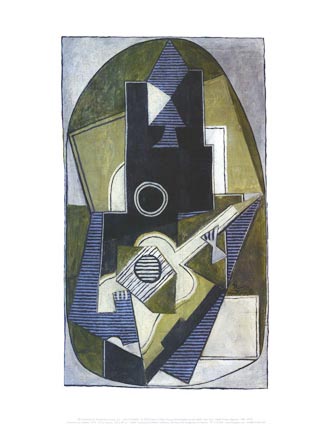
"L'Homme a la Guitare,
by: Pablo Picasso
cubism"
by: Pablo Picasso
cubism"
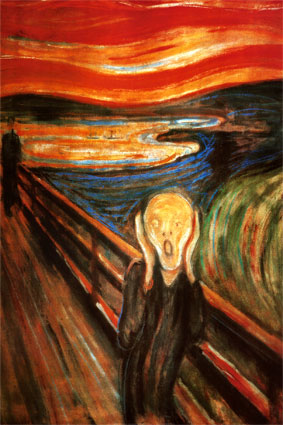
"Scream
by: Edvard Munch
expressionism"
by: Edvard Munch
expressionism"
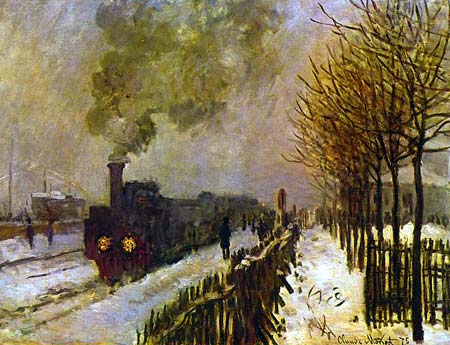
"Le Train dans la Neige
Monet
Impressionism"
Monet
Impressionism"
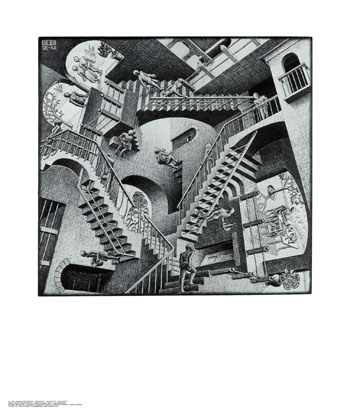
"Relativity
M. C. Escher
op art"
M. C. Escher
op art"
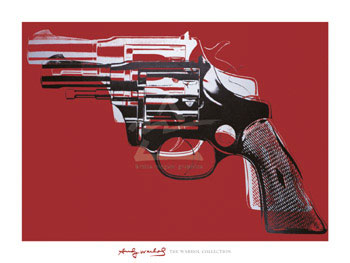
"Guns, c.1981-82
by: Andy Warhol
popart"
by: Andy Warhol
popart"
Now, choose the painting that matches the artistic movement.
Remember, your choices are: Pop Art, Op Art, Impressionism, Art Deco, Cubism, Expressionism, Abstract Expressionism, Surrealism. Highlight the text below the painting for the answer.
Remember, your choices are: Pop Art, Op Art, Impressionism, Art Deco, Cubism, Expressionism, Abstract Expressionism, Surrealism. Highlight the text below the painting for the answer.
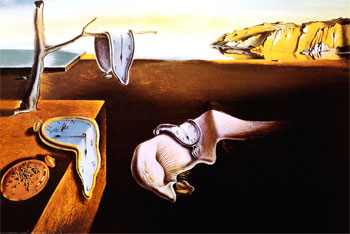
"The Persistence of Memory,
by: Salvador Dali
surrealism"
by: Salvador Dali
surrealism"
Remember, Your Choices Are:
Pop Art,
Op Art,
Impressionism,
Art Deco,
Cubism,
Expressionism,
Abstract Expressionism,
Surrealism.
Pop Art,
Op Art,
Impressionism,
Art Deco,
Cubism,
Expressionism,
Abstract Expressionism,
Surrealism.
Remember, Your Choices Are:
Pop Art,
Op Art,
Impressionism,
Art Deco,
Cubism,
Expressionism,
Abstract Expressionism,
Surrealism.
Pop Art,
Op Art,
Impressionism,
Art Deco,
Cubism,
Expressionism,
Abstract Expressionism,
Surrealism.
Animation Schools | Free Animations | Animation Freeware & Shareware | Animation Top 10's | Fun Art Quizzes | Build A Website | Web Design Software

Animation Schools | Free Animations | Animation Freeware & Shareware | Animation Top 10's | Art Quizzes | Build A Website | Web Design Software
Contact | Sitemap | Privacy Policy | Article Archive
Copyright 2006-2008 Build A Website
Contact | Sitemap | Privacy Policy | Article Archive
Copyright 2006-2008 Build A Website
